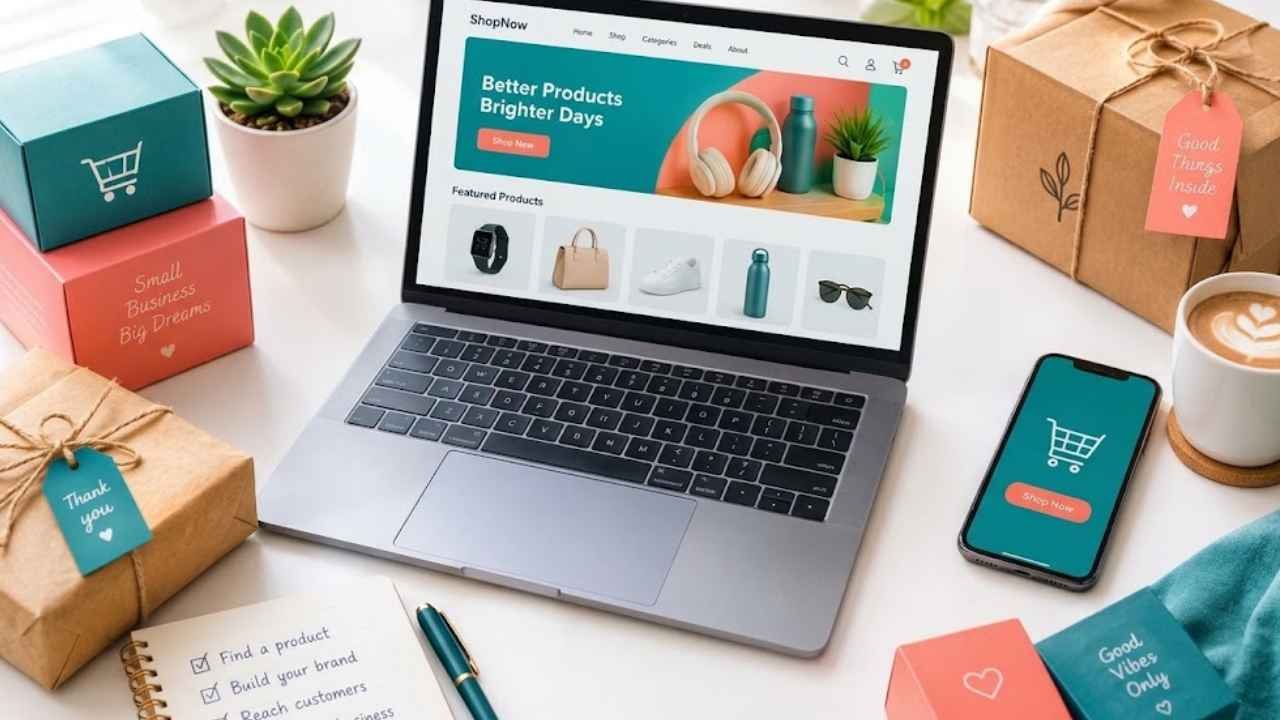
Global e-commerce sales are projected to surpass $6.8 trillion in 2026, yet many of the most profitable online stores were started with less than $500 and a free trial on a hosted platform. The barrier to entry has never been lower, and the best e-commerce business ideas available today require no warehouse, no manufacturer relationship, and sometimes no upfront product cost at all.
This guide breaks down the most beginner-friendly, high-margin online business models available right now, so first-time founders can choose a path that fits their budget, skills, and schedule.
Why 2026 Is a Strong Year to Start an Online Store
Consumer trust in online shopping has matured. Fulfillment infrastructure, payment tools, and design platforms have become so accessible that a solo founder with a laptop can compete with mid-size retailers in a focused niche.
The key shift is specialization. Generic stores selling everything to everyone are losing ground to tightly focused shops that serve one audience extremely well. A store selling custom gear for beekeepers, for example, will almost always outperform a general “outdoor hobby” store in search rankings, conversion rates, and customer loyalty.
That principle runs through every model covered below.
The Best Ecommerce Business Ideas for Beginners
The following models consistently rank at the top of expert roundups for low capital requirements, scalability, and beginner accessibility.
Print-on-Demand (POD)
Print-on-demand is widely considered the single best starting point for new ecommerce entrepreneurs. The model works like this: a customer places an order, the POD platform (such as Printful or Printify) prints the design on a product, a t-shirt, mug, tote bag, phone case, and ships it directly to the buyer. The seller never touches inventory.
Why it works for beginners:
- Zero inventory cost
- No minimum order quantities
- Designs can be created with free tools or outsourced cheaply
- Works seamlessly with Shopify and Etsy
The strongest POD stores are built around micro-niches. Think custom apparel for specific dog breeds, professions like nurses or teachers, or hobbies like sourdough baking or vintage cars. The tighter the niche, the easier it is to find buyers and rank in search results.
Niche Dropshipping
Dropshipping lets sellers list products in an online store without ever buying them first. When a sale happens, the order goes to a supplier who ships directly to the customer. The seller earns the margin between the retail price and the supplier’s cost.
The critical word here is niche. Broad dropshipping stores (selling random products across dozens of categories) face brutal competition. Focused stores, camping gear for solo hikers, ergonomic accessories for remote workers, or specialty coffee equipment, build brand recognition faster and attract repeat buyers.
“The best beginner e-commerce idea is not the most original one, it is the one that serves a specific audience better than anyone else currently does.”
Typical startup costs: Under $100 for a basic Shopify plan and a domain name. Suppliers handle warehousing and shipping entirely.
Watch out for: Long shipping times from overseas suppliers. Sourcing from domestic suppliers or using apps that filter by shipping speed solves most of this problem.
Digital Products
Digital products, ebooks, online courses, templates, planners, digital art, spreadsheets, and technical guides, sit at the top of the profit margin rankings for good reason. Once created, they cost nothing to duplicate. A single Notion template or a 40-page PDF guide can be sold thousands of times with zero additional production cost.
Best digital product categories for beginners in 2026:
| Product Type | Skill Required | Platform Options |
|---|---|---|
| Canva templates | Basic design | Etsy, Gumroad |
| Ebooks and guides | Writing | Gumroad, Shopify |
| Online courses | Subject expertise | Teachable, Podia |
| Budget spreadsheets | Spreadsheet skills | Etsy, Gumroad |
| Digital planners | Design basics | Etsy, own store |
Remote workers and career-changers are especially hungry for productivity templates and skill-building courses, making this a high-demand segment with very low competition at the micro-niche level.
Curated Subscription Boxes
Subscription boxes deliver a curated set of products to customers on a recurring schedule, monthly, quarterly, or seasonally. The business model generates predictable recurring revenue, which makes planning and scaling much easier than one-time purchase stores.
Beginners can start small: a batch of 20 to 50 boxes per month is enough to test demand, gather feedback, and refine the curation before investing in larger quantities.
High-potential subscription box niches for 2026:
- DIY craft and art supply kits
- Gourmet snack boxes for specific dietary preferences
- Niche hobby boxes (miniature painting, journaling, indoor plants)
- Eco-friendly household essentials
The main investment is curation, packaging, and marketing, not manufacturing. This keeps startup costs manageable while building a loyal subscriber community.
Sustainable and Eco-Friendly Products
Eco-conscious shopping is not a passing trend. Consumers, especially younger buyers, actively research brand ethics and packaging practices before purchasing. This creates a real opening for new founders who can source sustainable products and communicate their values clearly.
Winning categories include:
- Reusable household items (beeswax wraps, bamboo utensils)
- Zero-waste office supplies
- Organic personal care products
- Sustainable fashion basics
This niche pairs well with dropshipping or POD. A POD store printing on organic cotton, for example, can market itself as both custom and sustainable, a combination that commands premium pricing.
How to Choose the Best Ecommerce Business Idea for Your Situation
Not every model fits every founder. Use the questions below to narrow down the right starting point.
- Do you have a creative skill? Print-on-demand or digital products will leverage that skill directly and keep costs near zero.
- Do you want to sell physical products without managing inventory? Niche dropshipping is the clearest path.
- Do you want recurring revenue from day one? Subscription boxes build that into the model structurally.
- Are you passionate about sustainability? Lead with eco-friendly products and let that mission drive your marketing.
- Platform recommendation: Start with a hosted solution. Shopify, WooCommerce, and Etsy each eliminate most of the technical setup work, include built-in payment processing, and connect directly to POD and dropshipping supplier apps. Custom development is unnecessary at the start.
A Simple Framework to Launch With Minimal Risk
Expert guides consistently recommend the same sequence for first-time founders:
- Pick a niche, specific audience, specific problem or interest
- Validate demand, search volume, competitor sales data, community forums
- Test with a small offer, list 5 to 10 products or one digital product before building a full catalog
- Set up a simple store, one platform, clean design, clear value proposition
- Market before scaling, social media, email list, basic SEO before paid ads
- Iterate based on data, double down on what sells, cut what does not
This lean approach protects capital and produces real market feedback before any significant investment is made.
Final Thoughts
The best e-commerce business ideas for beginners in 2026 share three traits: low upfront cost, no need for physical inventory management, and a clear niche audience. Print-on-demand, niche dropshipping, digital products, subscription boxes, and sustainable goods all meet that standard.
Actionable next steps:
- Choose one model from this list that aligns with an existing skill or interest
- Spend one week researching a specific niche within that model using Google Trends and Etsy search data
- Sign up for a free trial on Shopify or create an Etsy seller account
- Launch a minimum viable store with five to ten products or one digital product
- Collect feedback from the first ten customers before expanding the catalog
The founders who succeed are not the ones who wait for the perfect idea. They are the ones who pick a focused niche, test it quickly, and improve based on what real customers tell them.