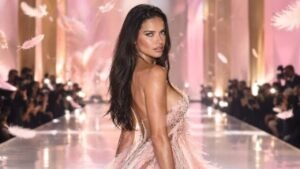
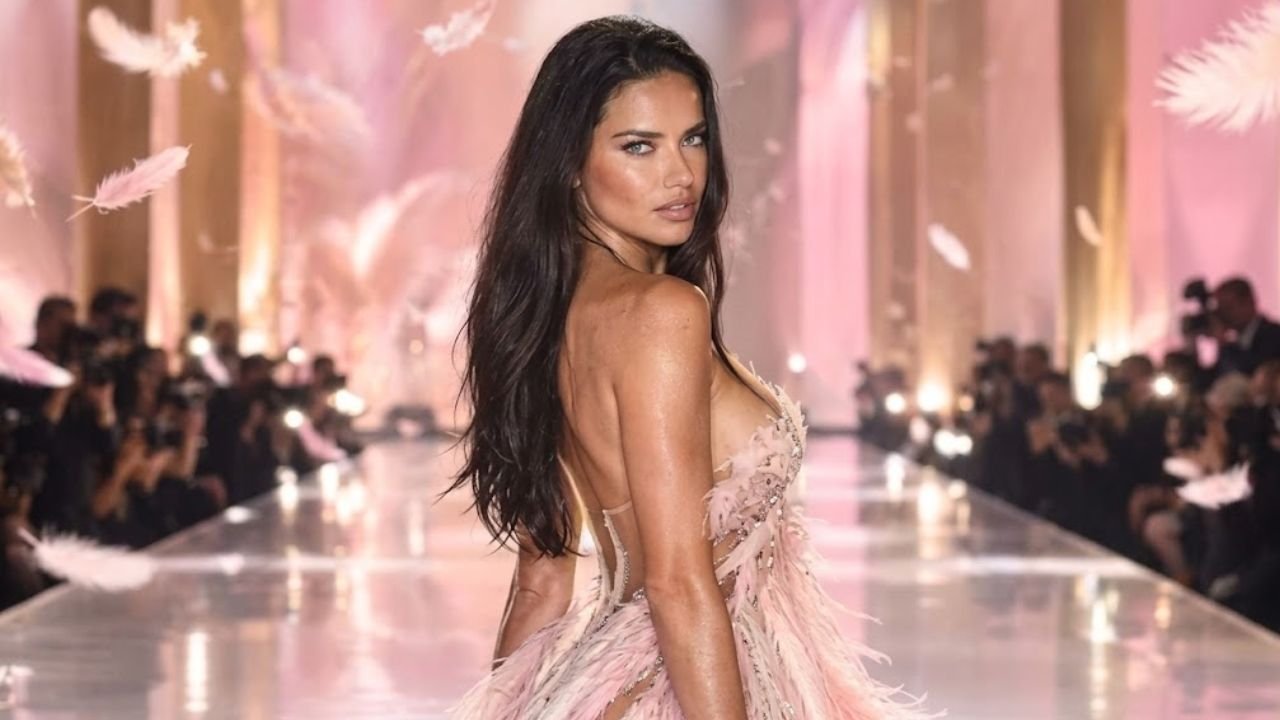
Most runway careers peak before 30. Adriana Lima booked her 21st Victoria’s Secret Fashion Show at age 45, a statistic that quietly dismantles nearly every assumption the fashion industry has made about shelf life. In late September 2026, Brazilian and British media confirmed she would walk the brand’s Los Angeles show on 18 October, extending a working relationship that started in 1998, back when most of today’s front-row influencers had not yet been born.
That longevity is the real story. Plenty of models become famous. Very few stay bookable for 28 years across luxury houses, mass-market campaigns, beauty contracts, film roles and lingerie runways. Lima has done all of it, and she has done it while becoming one of the most recognizable Brazilian figures in global fashion.
Key Takeaways
- Adriana Lima was born on 12 June 1981 in Salvador, Bahia, Brazil, and began modeling at 15 after winning Ford’s “Supermodel of Brazil” contest in 1996.
- She started working with Victoria’s Secret in 1998, first walked the Fashion Show in 1999, and became an Angel around 2000, holding that title for nearly two decades.
- Her 2026 booking marks a reported 21st Fashion Show appearance, following the brand’s 2024 revival and her 2025 return.
- Beyond lingerie, she has fronted work for Armani, Versace, Valentino, Dior, Prada, Louis Vuitton, Balmain, Maybelline and Guess, plus four covers of Harper’s Bazaar Spain’s February 2026 “Red” issue.
- She has repeatedly ranked among the world’s highest-paid models, though some circulated earnings figures are tabloid estimates rather than verified data.
Adriana Lima Early Life in Salvador, Bahia
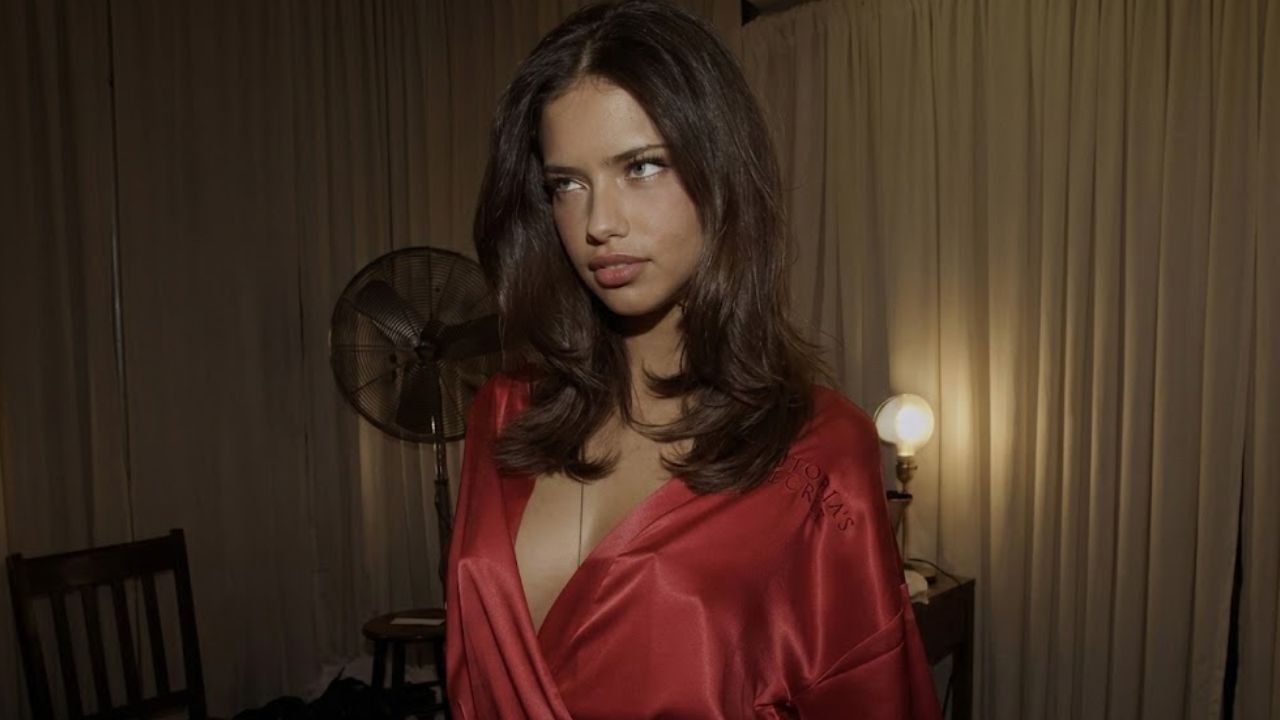
Lima grew up in Salvador, the coastal capital of Bahia in northeastern Brazil, raised primarily by her mother, Maria da Graça. It was not a childhood built around fashion ambition. Modeling arrived almost by accident.
The story told across multiple biographical accounts is simple and slightly funny: she tagged along to a school beauty contest to support a friend. Then she entered. Then she won. That single afternoon pulled her into a bigger pipeline of regional and national competitions.
At 15, in 1996, she won Ford’s “Supermodel of Brazil” contest. She went on to place second in the global Ford Models Supermodel of the World competition. That result changed everything. By around 16, she had moved to New York and signed with Elite Model Management.
A teenager from Bahia who entered a school contest on a whim ended up with a Manhattan agency contract before she could legally drive in most U.S. states.
The move was a sharp cultural jump, new language, new city, new industry, and it set the template for a career defined by adaptability rather than a single signature look.
The Victoria’s Secret Years: Building an Angel
If one partnership defines Lima’s public profile, it is Victoria’s Secret. She began working with the brand in 1998 and first walked the Fashion Show in 1999. Around 2000, she signed an Angel contract and kept that status for roughly 18 years, making her one of the longest-serving and most instantly recognizable Angels the label ever had.
Why the Angel role mattered
In the 2000s and 2010s, the Victoria’s Secret Fashion Show was not just a lingerie presentation. It was a televised global event with musical performances, elaborate wings, and a level of mainstream attention most couture weeks never reached. Being an Angel meant:
- Annual prime-time visibility to tens of millions of viewers
- Multi-year contract stability, rare in a freelance industry
- Crossover fame beyond fashion circles into general pop culture
- A brand identity audiences could recognize by name, not just by face
Lima sat at the center of that machine for nearly two decades. She wore the Fantasy Bra, opened and closed shows, and became shorthand for the Angel archetype itself.
The hiatus and the comeback
The Fashion Show went dark after 2018. When Victoria’s Secret revived it in 2024 after a six-year pause, Lima’s return was treated as headline news, proof that the brand’s own history still carried commercial weight.
She walked again in 2025, an appearance the brand described as her 20th Fashion Show. The confirmed 2026 booking pushes her past that milestone to a reported 21 appearances.
| Year | Milestone |
|---|---|
| 1998 | Begins working with Victoria’s Secret |
| 1999 | First Fashion Show appearance |
| ~2000 | Signs Angel contract |
| 2018 | Final Fashion Show before hiatus |
| 2024 | Returns for the revived show |
| 2025 | Described by the brand as her 20th show |
| 2026 | Confirmed for the 18 October show in Los Angeles |
That table tells a story no press release needs to spell out: a model who was booked as a teenager is still being booked in her mid-40s, by the same brand, across three different eras of its marketing strategy.
Adriana Lima Beyond Lingerie: Luxury and Mainstream Campaigns
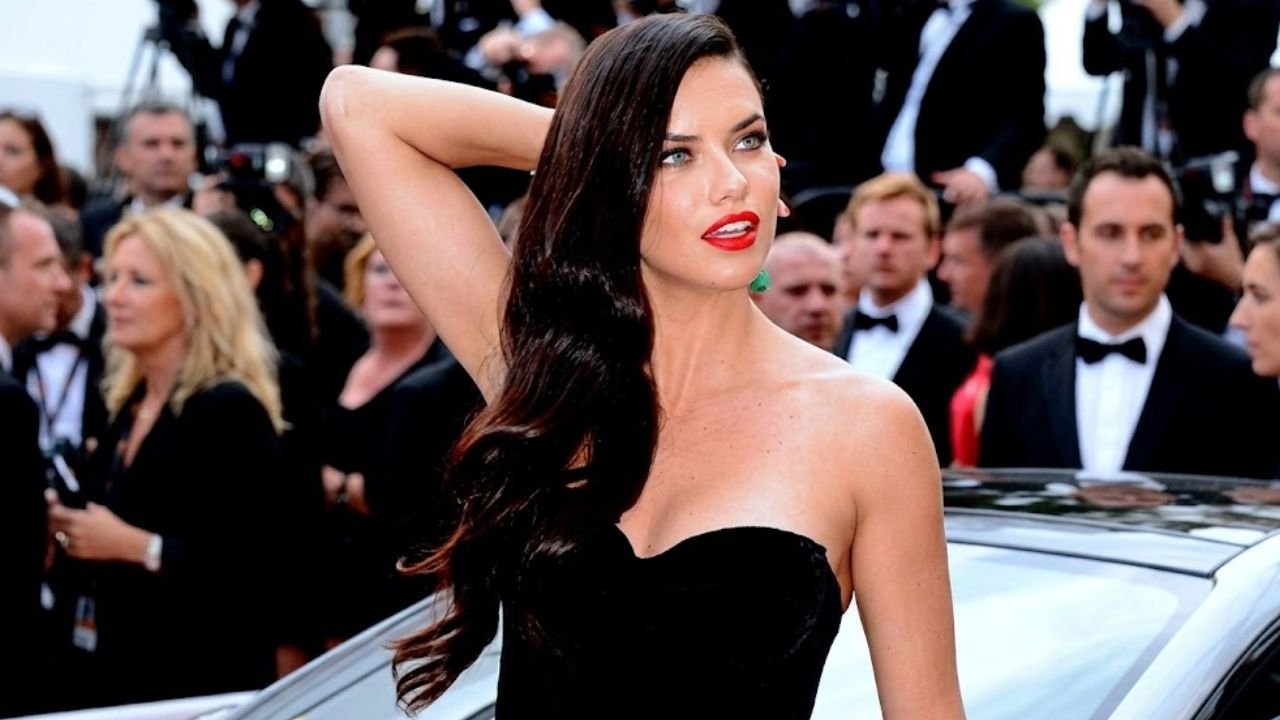
Reducing Lima to the Angel wings misses most of her résumé. Career retrospectives place her on runways and in campaigns for an unusually wide spread of houses and labels, including:
Luxury and designer:
- Giorgio Armani
- Versace
- Valentino
- Fendi
- Dior
- Prada
- Louis Vuitton
- Balmain
- Bottega Veneta
- Miu Miu
- Vera Wang
Mass-market and beauty:
- Maybelline
- Guess
That mix is the strategic part. Many models dominate one lane, either high fashion or commercial. Lima has moved between couture editorial, luxury accessories, affordable denim and drugstore cosmetics without losing credibility in any of them. For working models and agents, that range is the actual lesson in her career.
Still booking editorial in 2026
Her high-fashion relevance is not nostalgic. Lima fronted four separate covers for the February 2026 “Red” issue of Harper’s Bazaar Spain, styled in Louis Vuitton, Givenchy, Cartier and Miu Miu. Four covers for one issue is a marker of editorial pull, not a legacy courtesy booking.
A New Chapter: Adriana Lima Family and Representation
One of the clearest signals of how Lima’s public image has shifted came in spring 2026, when she appeared in a professional Victoria’s Secret campaign alongside her daughters, Valentina and Sienna.
A lingerie and lifestyle brand building a campaign around a mother and her daughters would have been unusual in 2005. In 2026 it reads as a deliberate move toward multigenerational storytelling, selling continuity and family rather than a single idealized body.
The Angel who once symbolized a narrow beauty standard is now helping market a broader one.
The body-image conversation
Lima’s visibility also keeps her inside harder debates. In late September 2026, European outlets covered her appearance at a Revolve party during Paris Fashion Week, where social media reaction focused heavily on how thin she looked. The coverage used the moment to revisit familiar questions: what aesthetic standards does high fashion still enforce, how do those pressures change for models in their 40s, and how much public commentary on a person’s body is reasonable?
These are not questions with tidy answers, and they are worth separating from the career record. Public speculation about a person’s health is not reporting. But the episode does illustrate something true about Lima’s position: nearly three decades in, she is still a lightning rod for the industry’s unresolved arguments about bodies.
Adriana Lima: Earnings, Business and Cross-Platform Fame
Lima has long been described not just as a model but as an actress and businesswoman. Film and television appearances have supplemented her runway and campaign work, helping turn her into a cross-platform celebrity rather than a catwalk specialist.
Her earnings have reflected that breadth. She has repeatedly appeared on lists of the world’s highest-paid models, Forbes-cited reporting put her annual income around 9 million USD in 2015, for example.
A word of caution on newer numbers. A 2026 item circulating from “People With Money”-style outlets claims she earned 46 million USD between September 2025 and September 2026, supposedly making her the period’s top-earning model. That figure carries the hallmarks of tabloid speculation rather than audited financial reporting, and it should be treated as entertainment, not data.
How to read model earnings claims:
| Signal | Treat as |
|---|---|
| Named publication with methodology (e.g. Forbes list) | Reasonably reliable estimate |
| Single-source “People With Money” style report | Unverified rumor |
| Brand-confirmed contract announcement | Reliable for the fact of the deal, not the amount |
| Social media aggregation | Lowest confidence |
The Adriana Lima Fashion Legacy
What exactly is the legacy? Three things stand out.
1. She extended the usable career of a supermodel
Fashion has historically treated 30 as a soft ceiling for runway work. Lima walking a major televised lingerie show at 45, booked, promoted and headlined, chips away at that norm in a way op-eds never could. Her presence is the argument.
2. She globalized Brazilian modeling
Lima arrived in New York as part of a wave of Brazilian models who reshaped the industry’s idea of a marketable face in the late 1990s and 2000s. She became one of the most visible Brazilian figures in global fashion, and that visibility opened doors for the scouts, agencies and models who followed her out of Brazil.
3. She proved brand loyalty can be an asset
In an industry built on constant turnover, Lima’s 28-year association with one brand is almost unheard of. It gave Victoria’s Secret a living link to its own history, valuable enough that the company brought her back for its relaunch and has rebooked her every year since.
What working models can actually take from it
- Range beats specialization. Luxury, commercial and beauty work together built a longer runway than any single lane would have.
- Relationships compound. One 1998 booking became a multi-decade partnership.
- Reinvention is non-optional. The teen contest winner, the Angel, the editorial cover star and the mother in a family campaign are the same person in four distinct market positions.
- Longevity is a business decision, not luck, built on reliability, adaptability and staying bookable through at least three shifts in industry taste.
Final Thoughts
Adriana Lima’s career is best understood as an argument against the industry’s own expiration dates. A teenager from Salvador who entered a school contest by accident became an Angel for nearly 20 years, a reliable face for both couture houses and drugstore beauty brands, a four-cover editorial star in 2026, and now the center of a campaign shared with her own daughters. The 21st Fashion Show booking is not a farewell tour. It is a continuation.
Frequently Asked Questions (FAQs) About Adriana Lima
When and where was Adriana Lima born?
She was born on 12 June 1981 in Salvador, Bahia, Brazil, and was raised primarily by her mother, Maria da Graça.
How did Adriana Lima start modeling?
She accompanied a friend to a school beauty contest, entered on impulse and won. That led to larger competitions, and in 1996 she won Ford’s “Supermodel of Brazil” contest at age 15, then placed second in Ford’s Supermodel of the World competition.
How many Victoria’s Secret Fashion Shows has Adriana Lima walked?
Her 2025 appearance was described by the brand as her 20th. The confirmed 2026 show on 18 October in Los Angeles is reported as her 21st.
How long was she a Victoria’s Secret Angel?
She signed an Angel contract around 2000 and held the status for nearly two decades, making her one of the longest-serving Angels in the brand’s history.
Which luxury brands has Adriana Lima worked with?
Her career includes runway and campaign work for Armani, Versace, Valentino, Fendi, Dior, Prada, Louis Vuitton, Balmain, Bottega Veneta, Miu Miu and Vera Wang, plus commercial work for Maybelline and Guess.
Does she do anything besides modeling?
Yes. She is described as a supermodel, actress and businesswoman, with film and television appearances alongside her fashion work.