
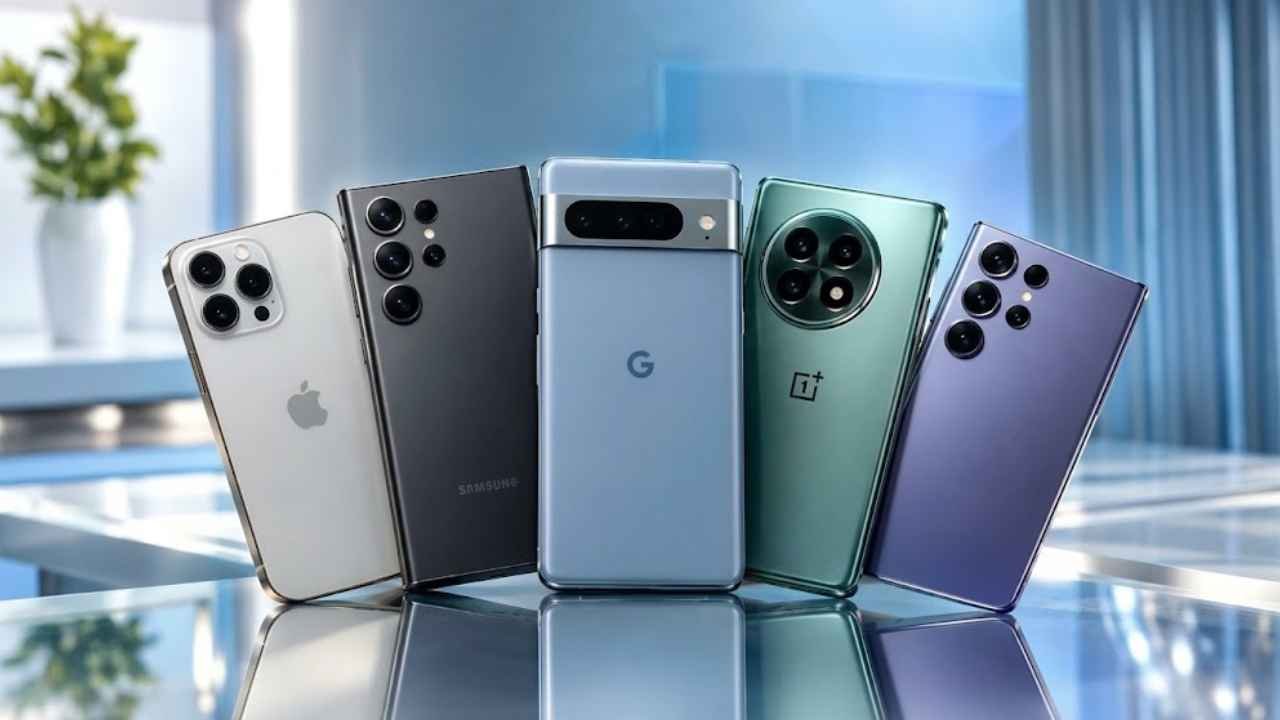
Worldwide smartphone shipments are set to drop nearly 17 percent in 2026, yet the average price of a new phone is climbing toward $581, up more than 27 percent in a single year. That is not a contradiction. It is a signal. Buyers are choosing fewer, smarter, and far more capable devices. Smartphone technology has quietly shifted from a hardware race into an intelligence race, and the phones launching this year prove it.
From on-device AI models that translate conversations in real time to foldable displays that no longer feel experimental, smartphone technology in 2026 is being rebuilt from the silicon up. This guide breaks down what is actually changing, what matters when you shop, and where the industry is headed next.
How AI Is Redefining Smartphone Technology
For years, smartphone upgrades meant a slightly better camera or a faster chip. That formula has changed. Today, artificial intelligence sits at the center of smartphone technology, built directly into the processor, the camera pipeline, the operating system, and even the security layer.
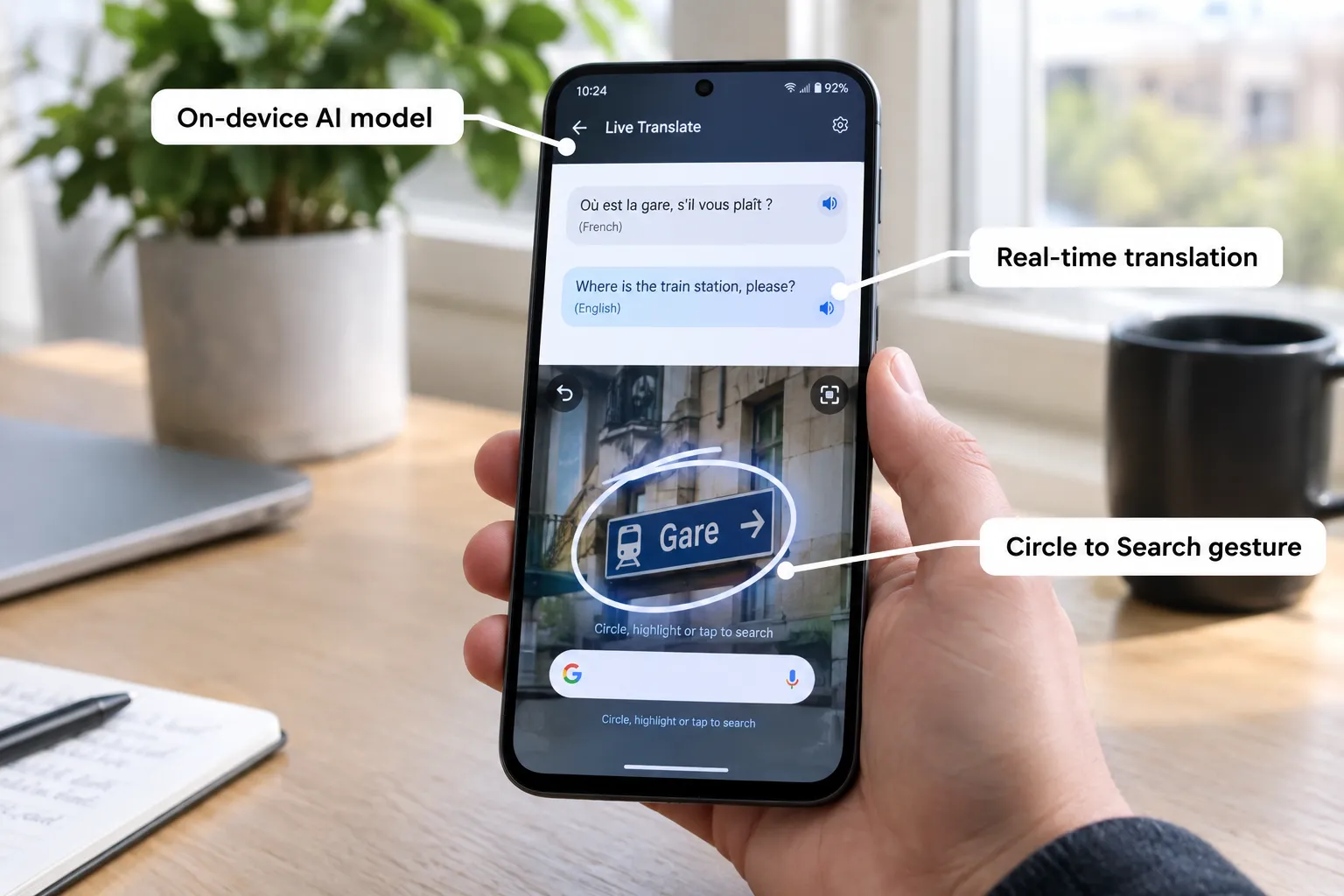
This shift matters because AI features now run locally on the device, not just in the cloud. That means faster responses, better privacy, and features that work even without an internet connection. Real-time translation during a phone call, AI-generated photo edits, and predictive battery management are no longer futuristic ideas. They are standard expectations for anyone buying a new phone this year.
Everyday tools are changing how people use their phones too. Features like Circle to Search let users draw a circle around anything on screen and search instantly. Object erasers can remove unwanted people or clutter from photos in seconds. These were once niche tricks. Now they are baseline features people expect on any midrange or flagship device.
“AI performance is now weighed alongside camera quality, display, and battery life as a primary reason to buy a phone.”
This is the biggest change in smartphone technology in years: the specs sheet now includes intelligence, not just hardware.
Flagship Face-Off: Apple, Samsung, and Google’s AI Strategies
Three companies are setting the pace for AI-driven smartphone technology, and each has taken a different approach.
- Apple built its “Apple Intelligence” suite around everyday productivity. It prioritizes and summarizes messages and emails, offers system-wide writing tools, and includes Image Playground and Genmoji for creating custom images and emoji. Visual Intelligence uses the camera to identify objects and pull up information instantly. Siri has also become more context-aware, able to complete multi-step tasks across different apps without much manual input.
- Samsung leans into communication and creativity through its Galaxy AI stack. Live Translate handles real-time, two-way translation during phone calls. Chat Assist rewrites messages to match a chosen tone. Note Assist transcribes and summarizes voice notes automatically. Circle to Search and Photo Assist round out the suite with generative editing tools that can remove objects or reimagine a photo’s background.
- Google has focused on efficiency and offline capability with its on-device Gemini Nano model. It powers searchable Pixel Screenshots, offline recording with transcription and summarization, and smarter call screening tools like Hold for Me. Google has also used its AI model to fine-tune display brightness and battery use based on how a person actually uses their phone.
| Brand | Signature AI Feature | Best For |
|---|---|---|
| Apple | Visual Intelligence, Genmoji | Productivity and creativity |
| Samsung | Live Translate, Photo Assist | Communication and editing |
| Gemini Nano, Pixel Screenshots | Offline speed and search |
None of these approaches is objectively better. The right choice depends on which features fit daily habits, whether that is translating calls, editing photos, or searching through a lifetime of screenshots instantly.
Under the Hood: Chipsets, Batteries, and Cameras Driving Smartphone Technology
Software gets the headlines, but hardware still makes it possible. Three components are driving the next wave of smartphone technology: processors, batteries, and cameras.
- Processors: New chips are being designed specifically for AI workloads. MediaTek’s Dimensity 9600 Pro, built on TSMC’s advanced 2 nanometer process, was created to boost on-device generative AI performance. Faster DRAM and tighter integration between radio and compute functions are becoming standard, allowing phones to run AI tasks without draining the battery or lagging.
- Batteries: Running AI models, high-refresh displays, and 5G connections all day requires serious power. Flagship phones released in late 2026, such as the Vivo X300 Pro and Oppo Find X9, now ship with batteries in the 6,500 to 7,000 mAh range. That is a significant jump from just a few years ago, and it reflects how much more demanding modern smartphone technology has become on power systems.
- Cameras: Mobile cameras have shifted from being purely optical tools to being “computational-first” systems. Partnerships between phone makers and professional imaging companies are improving lens quality and color tuning, while AI handles the rest: generative background edits, style transfers, and object removal. High-end phones now commonly pair 50-megapixel-class sensors with software that can rebuild, sharpen, or restyle an image after the shutter clicks.
Together, these three components form the backbone of every AI feature discussed earlier. Without faster chips, bigger batteries, and smarter camera pipelines, none of the flashy software features would be possible.
Foldables and Form Factors: The New Premium Frontier
Foldable phones spent years as an interesting but flawed experiment. That is no longer true. Foldables have matured into a genuine premium category, and more brands are entering the space every quarter.
Improvements in hinge durability and display technology have addressed the biggest complaints from early foldable buyers: creasing screens and fragile mechanisms. Devices like the Galaxy Z Fold 7 and Z Flip 7 now appear on many “best AI phone” lists, not just “best foldable” lists, showing that these devices are being judged on the same intelligence features as traditional flagships.
Industry analysts expect flexible displays combined with AI-enhanced interfaces to bring fresh energy to a market that had started to feel repetitive. A folding screen changes how apps are used, how multitasking works, and how a camera viewfinder can double as a mirror for the person taking the photo. For anyone bored with the standard slab-style phone, foldables represent the most meaningful format shift in smartphone technology in over a decade.
That said, foldables still carry a price premium and, in some models, added weight and thickness when folded. Buyers should weigh the format’s flexibility against practical daily comfort.
Buying Guide: How to Choose the Right Smartphone in 2026
With so many features competing for attention, choosing a new phone can feel overwhelming. Here is a simple framework to cut through the noise.
- Step 1: Set a realistic budget: With average selling prices climbing toward $581, expect to pay more for a device that has the latest AI silicon and camera hardware. Decide upfront whether last year’s flagship at a lower price fits your needs better than this year’s newest release.
- Step 2: Identify which AI features you will actually use: Not everyone needs real-time call translation. Not everyone needs generative image tools. Be honest about daily habits. Someone who travels often will value translation features. Someone who edits photos frequently will value generative editing tools.
- Step 3: Check battery capacity against your usage: If a phone is going to run AI assistants, streaming apps, and 5G connections all day, look for batteries in the 5,000 mAh range or higher. The newest flagships pushing past 6,500 mAh set a new bar for all-day reliability.
- Step 4: Decide if a foldable fits your lifestyle: Foldables offer a bigger screen in a smaller pocket footprint, but they cost more and can be bulkier when closed. Test one in person if possible before committing.
- Step 5: Consider long-term software support: A phone with strong AI features today needs ongoing software updates to stay useful. Check how many years of updates a manufacturer promises before buying.
Following these five steps helps turn a confusing spec sheet into a clear decision based on real needs rather than marketing buzzwords.
Market Trends: Prices, Shipments, and the September Launch Rush
The numbers tell a clear story about where smartphone technology is heading. According to the latest IDC tracker data, worldwide smartphone shipments are expected to fall 16.7 percent in 2026 to just over one billion units. At the same time, average selling prices are projected to rise to about $581, a jump of 27.6 percent in one year and higher than an earlier forecast of $550.
This combination points to a market where fewer people are buying phones, but those who do are spending more on devices packed with AI features, larger batteries, and improved cameras. It is a shift away from frequent, cheap upgrades toward less frequent, higher-value purchases.
September 2026 has become a case study in how competitive this market has gotten. More than 20 smartphones were expected to debut that single month, including high-profile releases like the Vivo X500, Oppo Find X10, Huawei Mate 90, Xiaomi 18, Honor Magic9, and iQOO 16. Some industry watchers have called it the most stacked launch month in mobile history. For shoppers, this clustering is actually good news. It means multiple AI-focused and foldable flagships can be compared side by side within the same shopping window, making it easier to see which brand’s approach to smartphone technology fits best.
Beyond Communication: Accessibility, Health, and Connectivity
Smartphone technology is no longer just about calls, texts, and apps. Phones are expanding into roles that touch accessibility, health, and global connectivity.
- Accessibility tools are becoming more sophisticated. Sign-to-text AI tools and sign-language translation models are helping bridge communication gaps for deaf and hard-of-hearing users. These are not experimental lab projects anymore. They are shipping features in mainstream apps.
- Health and wellness features are also expanding. Gamified hydration tracking apps, personal health-data management tools, and even skin-imaging phone attachments are turning smartphones into everyday health companions. While these tools are not replacements for medical care, they give users more visibility into their own habits and health trends.
- Connectivity is stretching beyond traditional cell towers. Direct-to-cell satellite trials are giving phones the ability to send messages or make emergency contact in areas without normal signal coverage. Deeper integration with Internet of Things devices means phones are increasingly acting as the control hub for smart homes, wearables, and other connected gadgets rather than standalone tools.
Privacy-focused and rugged smartphone designs are also gaining traction, particularly for buyers who prioritize durability and data control over the flashiest camera specs. Some manufacturers are even promoting “e-waste-neutral” designs and swappable batteries, aiming at buyers who want a phone built to last rather than one designed for a yearly replacement cycle.
Final Thoughts
Smartphone technology in 2026 looks less like a hardware upgrade cycle and more like an intelligence upgrade cycle. AI is embedded in the chip, the camera, the assistant, and the battery management system. Foldables have moved from niche curiosity to genuine flagship contender. Batteries are bigger, chips are built specifically for AI tasks, and prices are climbing as shipments fall, showing a market that values capability over volume.
For anyone shopping for a new device, the smartest move is to slow down and match features to actual habits rather than chasing every new spec. Decide which AI tools genuinely fit daily routines, check battery capacity against real usage, and consider whether a foldable format adds value or just adds cost. With more than 20 flagship phones launching in a single recent month alone, there has never been a better time to compare options carefully before making the next upgrade.
smartphone technology, AI smartphones, foldable phones, mobile chipsets, smartphone buying guide, 5G connectivity, mobile camera technology, battery technology, flagship phones, Galaxy AI, Apple Intelligence, Pixel Gemini Nano