Only 47% of small businesses have a dedicated marketing strategy, yet the ones that do consistently outgrow their competitors. If marketing feels like a guessing game, the problem usually is not budget. It is focus.
The right small business marketing ideas do not require a big agency or a massive ad spend. They require smart choices, consistent execution, and a willingness to test what works.
Why Most Small Business Marketing Strategies Fall Short
Most small business owners try to do everything at once, post on five social platforms, run ads, write blogs, send emails, and end up doing none of it well. The solution is to replace scattered tactics with a focused, integrated system.
The most effective affordable marketing ideas share three traits: they are measurable, repeatable, and built around the customer experience rather than just acquisition.
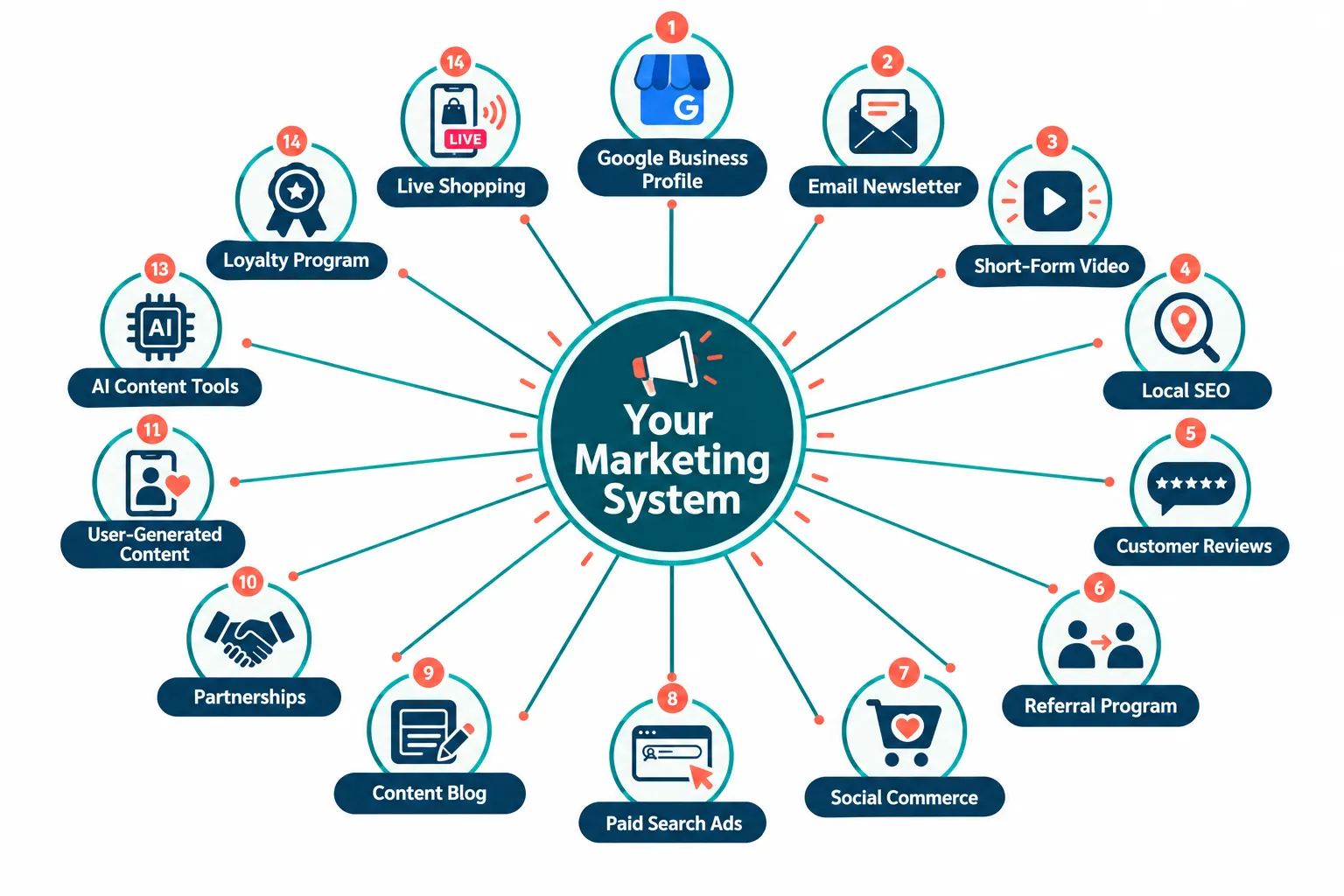
15 Small Business Marketing Ideas That Actually Work
1. Claim and Optimize Your Google Business Profile
This is the single highest-leverage move for any local business marketing effort. A complete, regularly updated Google Business Profile improves local search rankings, drives foot traffic, and builds instant credibility. Add photos, respond to every review, and post updates weekly.
2. Build an Email List From Day One
Email marketing delivers an average return of $36 for every $1 spent, making it one of the most affordable marketing ideas available. Offer a discount, free resource, or exclusive content in exchange for sign-ups. Then send consistent, value-focused newsletters, not just promotions.
3. Invest in Local SEO
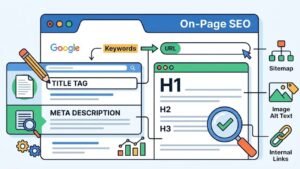
Beyond Google Business Profile, local SEO means optimizing your website for location-based searches. Use city and neighborhood keywords naturally in your page titles, headings, and content. Get listed in local directories and ensure your name, address, and phone number are consistent everywhere online.
4. Create Short-Form Video Content
Short-form video on platforms like Instagram Reels and TikTok is one of the most powerful small business marketing strategies available at zero cost. Behind-the-scenes clips, quick how-tos, and customer stories build trust and reach new audiences organically.
5. Systematically Collect Customer Reviews
Reviews are word-of-mouth at scale. Ask every satisfied customer to leave a Google or Yelp review, right after a positive interaction, not days later. Respond to every review, positive or negative. Businesses with 50-plus reviews consistently outperform competitors with fewer.
6. Launch a Referral Program
A structured referral program turns happy customers into your best salespeople. Offer a meaningful incentive, a discount, store credit, or free service, for every new customer referred. Keep the process simple: one link, one clear reward.
7. Publish Helpful Blog Content
A consistent blog builds organic search traffic over time. Focus on answering the exact questions your customers type into Google. One well-researched post per week beats five thin posts. This is a long-term play, but the compounding returns are significant.
8. Run Small, Measurable Paid Ad Experiments
Many small business owners either ignore paid ads entirely or overspend without a clear goal. A better approach: start with a small daily budget on Google Search or Meta Ads, target a specific audience, and measure cost per lead. Small experiments reveal what works before you scale.
9. Use AI Tools as a Force Multiplier
AI writing and design tools can help a solo marketer produce content, social captions, email drafts, and ad copy in a fraction of the time. Use AI to accelerate execution, but always edit for your brand voice and accuracy.
10. Build Community Partnerships
Partnering with complementary local businesses creates mutual referral networks at no cost. A gym partnering with a nutritionist, or a boutique partnering with a local spa, expands reach to warm, pre-qualified audiences. Co-host events, cross-promote on social, or bundle offers.
11. Leverage User-Generated Content (UGC)
Encourage customers to share photos and videos using your product or visiting your location. Repost their content (with permission) on your own channels. UGC is authentic, free, and far more persuasive than branded advertising.
12. Prioritize Customer Retention Over Pure Acquisition
Acquiring a new customer costs five times more than retaining an existing one. Loyalty programs, personalized follow-up emails, and exceptional service keep customers coming back, and spending more. Retention is one of the most underrated local business marketing strategies.
13. Explore Social Commerce and Shoppable Posts
Platforms like Instagram and Facebook now allow direct product purchases without leaving the app. Setting up a shop and tagging products in posts shortens the path from discovery to purchase, which is especially powerful for product-based businesses.
14. Show Up at Local Events and Sponsorships
Physical presence still matters. Sponsoring a local 5K, setting up a booth at a farmers market, or hosting a free workshop builds brand recognition and community goodwill that digital channels cannot fully replicate. These are durable marketing assets.
15. Track Everything and Double Down on What Works
The most important of all small business marketing ideas is also the most overlooked: measure results. Use free tools like Google Analytics and your social platform insights. Identify the two or three channels driving real leads or sales, then invest more time and budget there.
“The goal is not to be everywhere. The goal is to be unmissable where your customers already are.”
Final Thoughts
The 15 ideas above are not theory, they are proven small business marketing strategies used by real operators with limited budgets and limited time. The path forward is straightforward: start with your Google Business Profile and email list, add short-form video and a referral program, and run small paid ad experiments to find what converts. Replace the urge to do everything with a commitment to do a few things exceptionally well.
Pick two or three ideas from this list today. Set a 30-day goal, measure the results, and build from there. Consistent, focused action beats sporadic bursts of effort every time.